
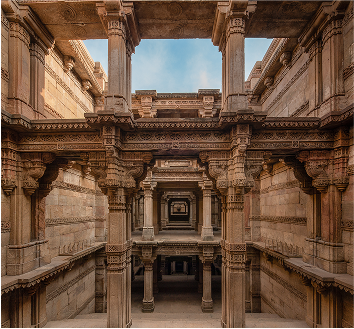
A city of contrasts where centuries-old stepwells and mosques sit beside modern design hubs. Known for its textile legacy, rich street food culture, and the old walled city, Ahmedabad is both a heritage centre and a living laboratory.
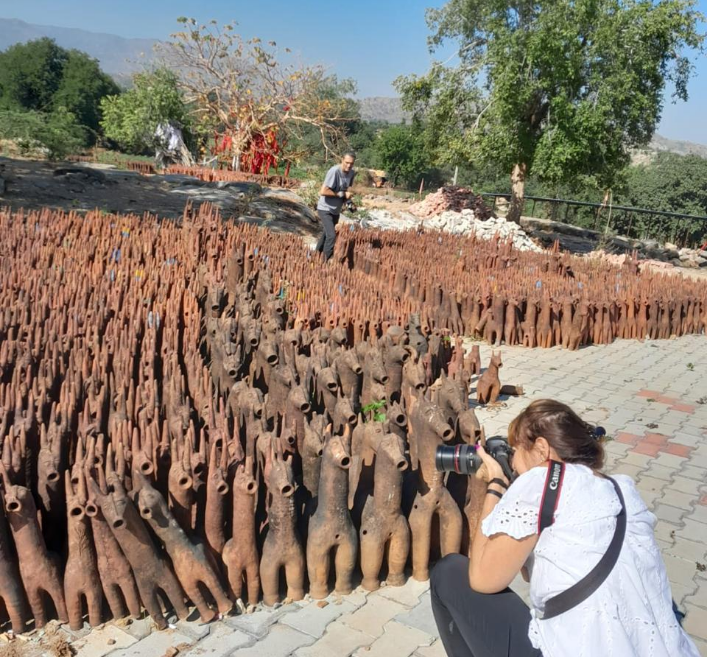
Tucked into the Aravalli foothills, Poshina is known for tribal encounters, local shrines, and terracotta horses offered as vows. Its small markets and forested trails give insight into the customs of Bhil and Garasia communities.
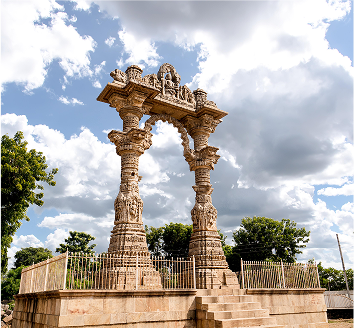
A quiet town shaped by its deep historical roots, Vadnagar reveals layers through Buddhist sites, ancient stepwells, and sandstone temples. Once a trading hub, it retains the feel of a place that has been inhabited for millennia.
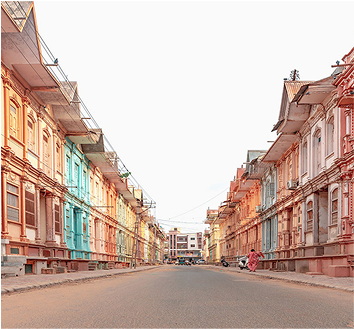
This riverside town is marked by Dawoodi Bohra mansions with pastel facades and fine woodwork. Beyond the quiet streets, it is renowned for its sacred kunds and rituals, which are tied to ancestral offerings and Vedic learning.
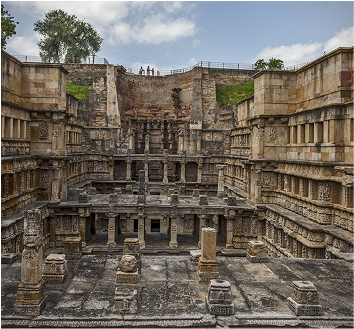
Famous for the exquisite Rani ki Vav stepwell and its Patola weaving legacy, Patan, a UNESCO world-heritage site is a place where precision and aesthetics meet. Narrow lanes carry the scent of history, craftsmanship, and quiet devotion.
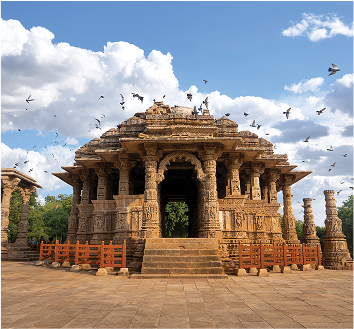
Home to the stunning Sun Temple, Modhera reveals 11th-century temple architecture aligned with the solar cycle. Set in a quiet village, it strikes a balance between spiritual geometry and a strong sense of historical presence.
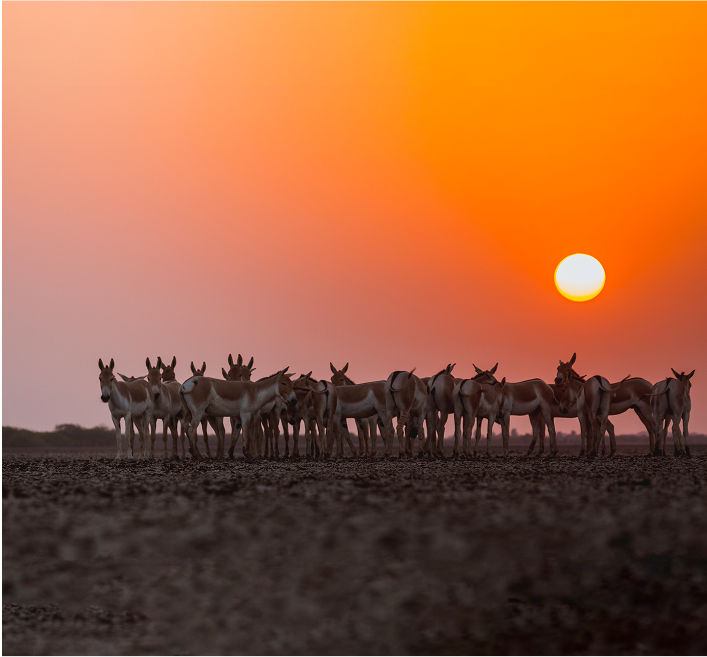
This vast salt marsh is one of India’s most distinct landscapes. Known for its Indian wild ass sanctuary, it is also a haven for migratory birds and salt workers, characterised by its raw terrain and ecological importance.
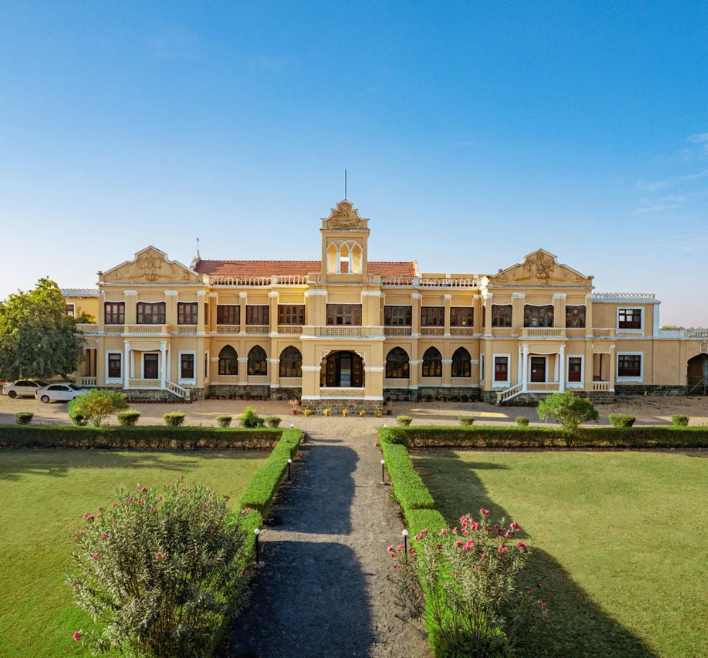
Once a princely state, Muli is known for its palace, temple rituals, and pastoral surroundings. It carries a quiet pride, where spiritual life and royal history continue without display or spectacle.
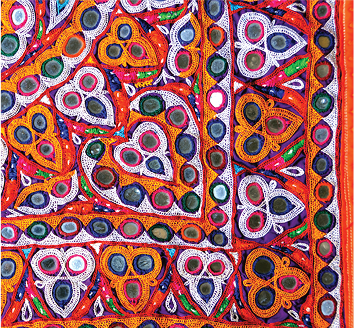
Bhuj is a cultural anchor of Kutch, where artisan communities, old palaces, and earthquake-resilient structures coexist. It is a place of recovery, reinvention, and enduring creativity rooted in textile and desert traditions.
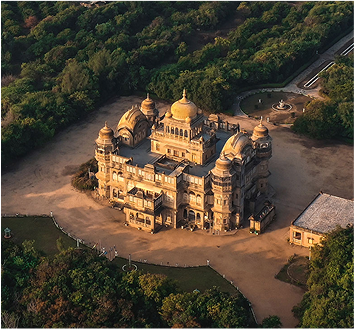
A coastal town with a shipbuilding legacy, Mandvi brings together beachside calm and centuries of maritime history. Wind towers, traders’ homes, and slow tides reflect its connections across the Arabian Sea.
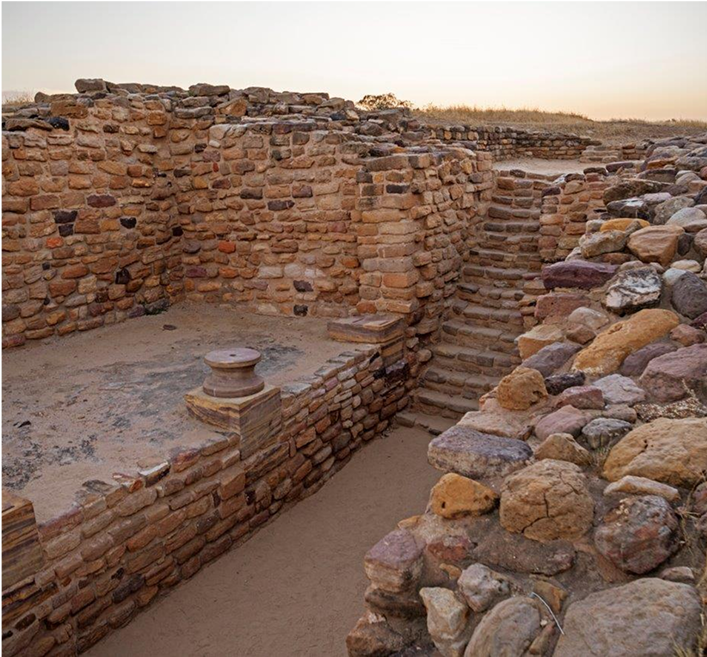
A remarkable Harappan site on Khadir Island, Dholavira, a UNESCO world-heritage site reveals sophisticated urban planning and water systems dating back over 4,000 years. Its arid, isolated surroundings deepen the impact of what was once a thriving civilisation.
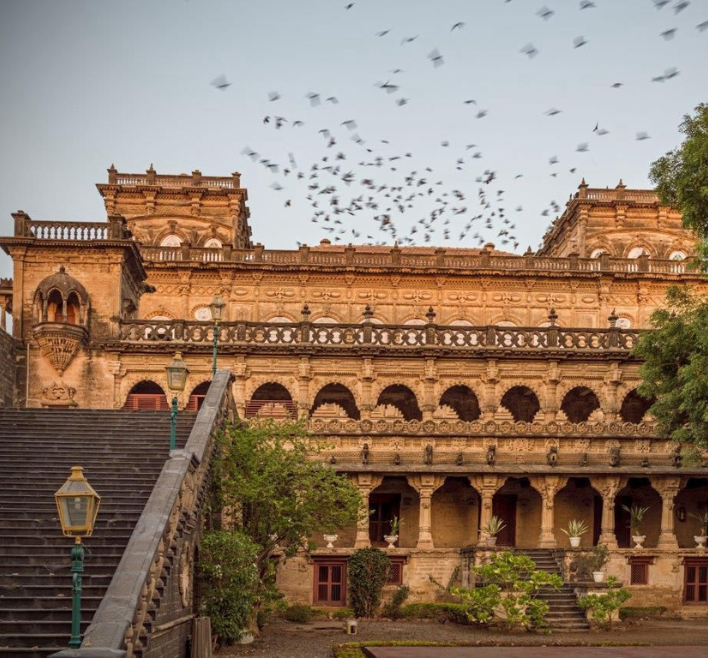
This former princely state is known for its palaces, vintage car collection, and deep-rooted sense of hospitality. Gondal moves at an unhurried pace, where royal history still shapes the way guests are welcomed.
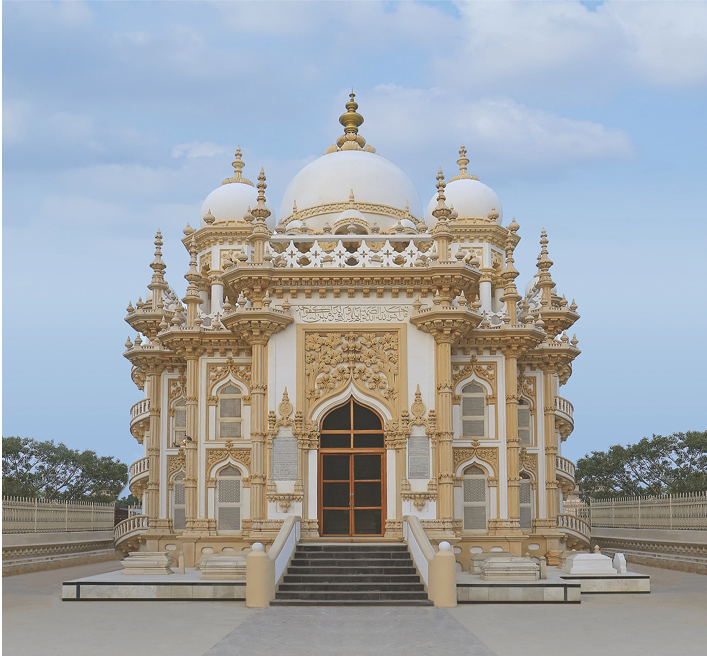
At the base of Girnar hills, Junagadh layers Uparkot Fort, Stepwells, Buddhist caves, Islamic tombs, and Hindu temples within its cityscape. It carries the weight of dynasties, spiritual journeys, and a geography that has long invited devotion.
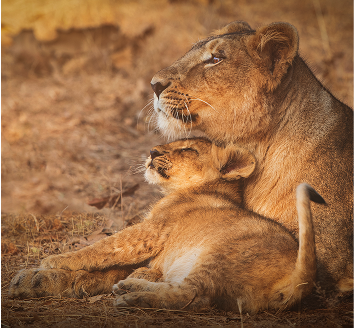
Bordering Gir National Park, Sasan is central to the last home of the Asiatic lion. It maintains a delicate balance between protected forests, Maldhari pastoral life, and the realities of living adjacent to wildlife corridors.
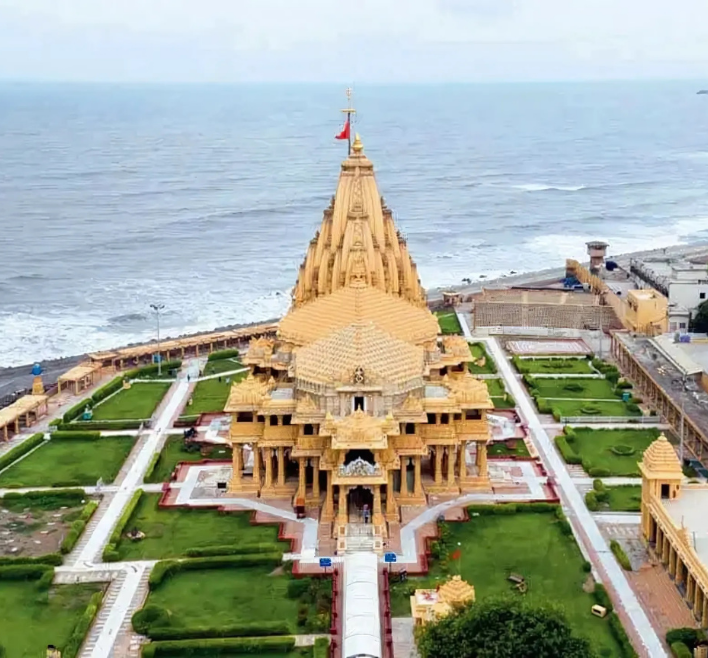
Somnath is shaped by pilgrimage and resilience. It is one of the most important Jyotirlingas. This temple by the sea has seen destruction and rebuilding over centuries, standing today not only as a place of worship but also as a symbol of quiet continuity.
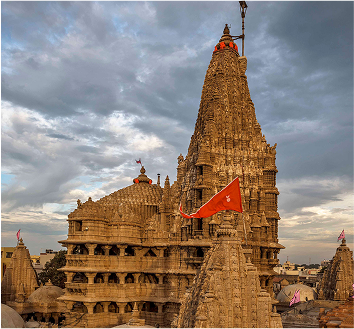
Dwarka sits on the edge of land and legend. Known as a sacred city connected to Krishna, it draws pilgrims and travellers alike, with coastal temples, tidal shifts, and stories that have crossed generations and continents.
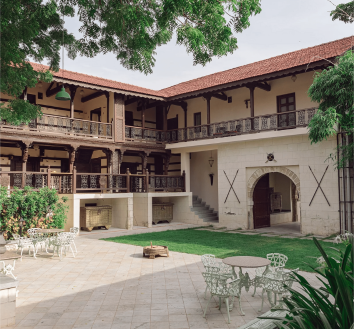
A small town with a princely past, Dared holds onto its quiet dignity through local traditions, architectural traces, and a lived sense of continuity. It remains grounded, far from crowds yet close to the texture of Saurashtra.
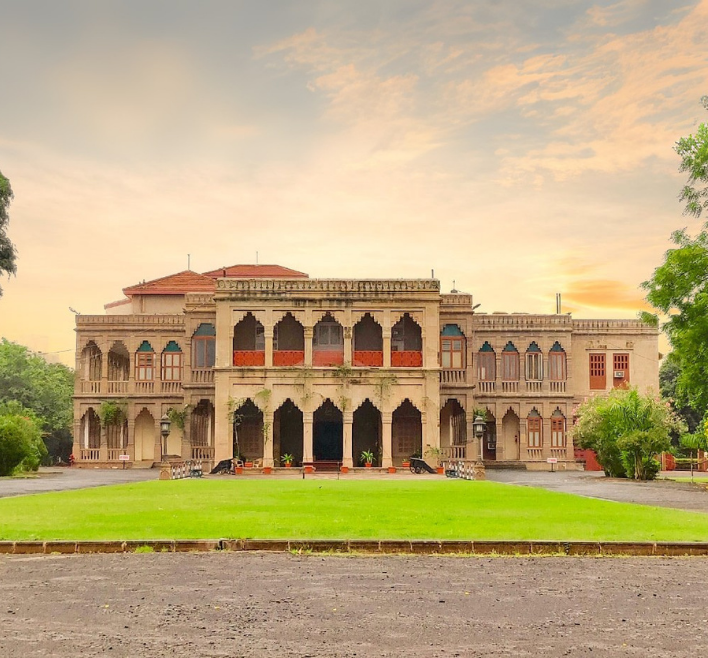
A coastal city shaped by trade and reformist ideals, Bhavnagar strikes a balance between old-world mansions and civic energy. Its proximity to national parks and religious towns gives it a strategic location that retains its calm pace.
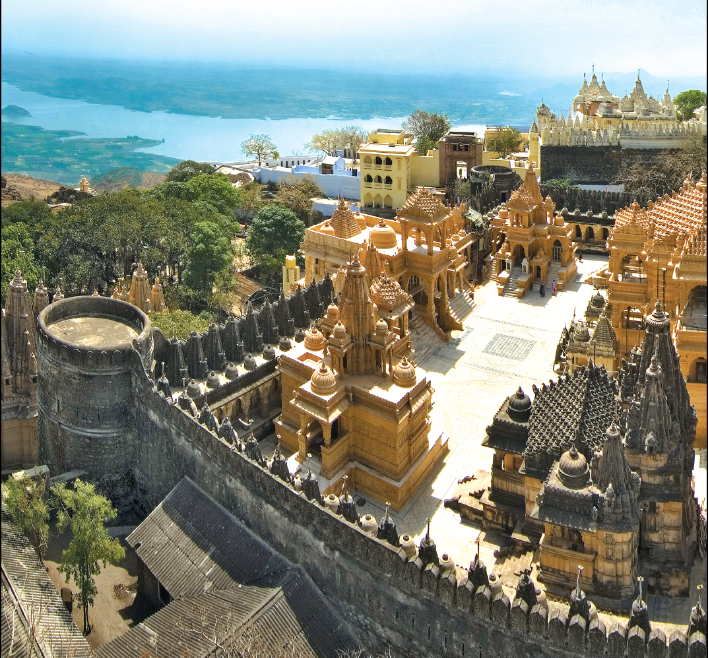
Renowned for Shatrunjaya Hill, Palitana is among the most significant Jain pilgrimage sites. Climbing its thousand-plus steps is both a spiritual and physical ascent, surrounded by temple spires, silence, and a devotion that does not announce itself.
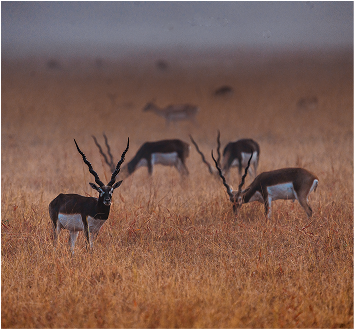
This grassland sanctuary is one of the few places where blackbucks roam freely in large numbers. Velavadar’s flat horizon and dramatic skies give it a character more akin to savannahs than the forests of western India.
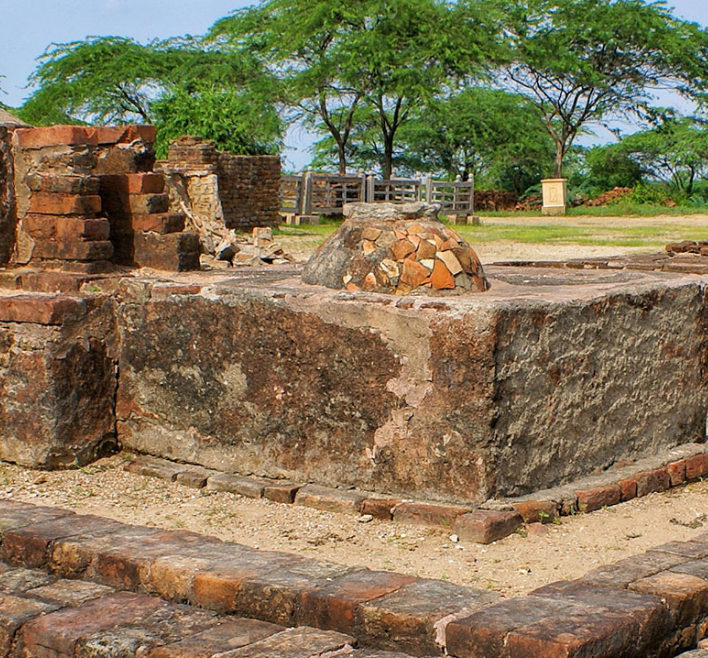
One of the most important sites of the Indus Valley Civilisation, Lothal is known for its dockyard, grid planning, and bead-making legacy. Even in partial remains, its precision and vision continue to leave a lasting impression.
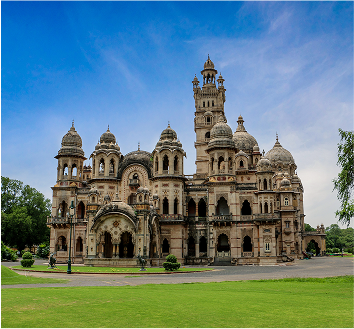
Known in the past as Vadodara, this city blends a modern pace with historic charm. The majestic Lakshmi Vilas Palace, fourteen times larger than Buckingham Palace, anchors its heritage. Nearby, the Fatehsingh Museum reveals royal art and treasures, while the Baroda Museum and Picture Gallery showcases rare European masterpieces and Asian antiquities.
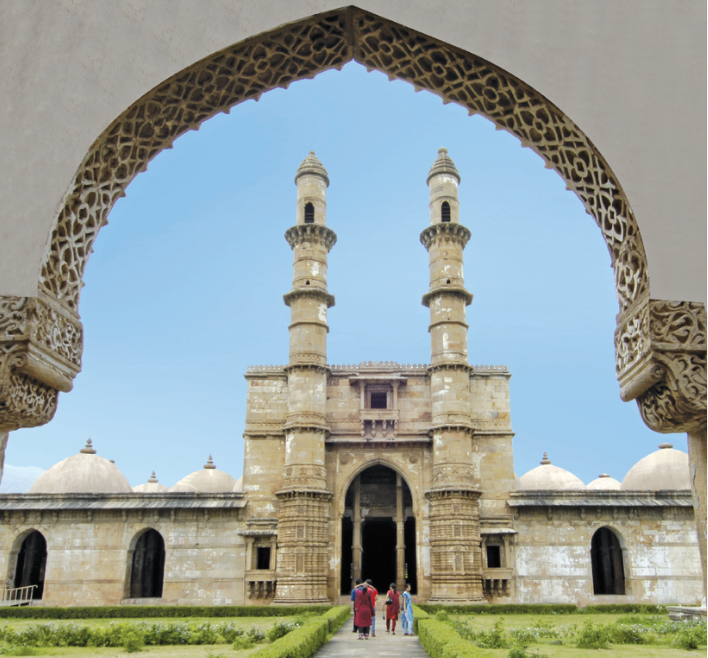
A UNESCO World Heritage Site at the foot of Pavagadh Hill, Champaner combines archaeology, geology, and spiritual memory. Its mosques, stepwells, and fortifications preserve a distinct Indo-Islamic legacy largely untouched by modern expansion.
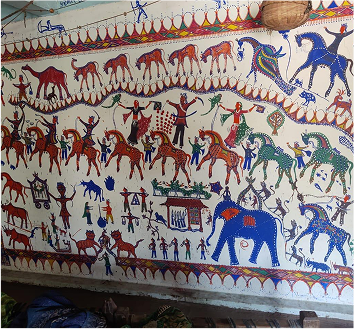
Forested and tribal, this region lies quietly between sanctuary and settlement. Its rhythm is defined by seasonal rituals, terracotta shrines, and a landscape where daily life unfolds with little need for interpretation.
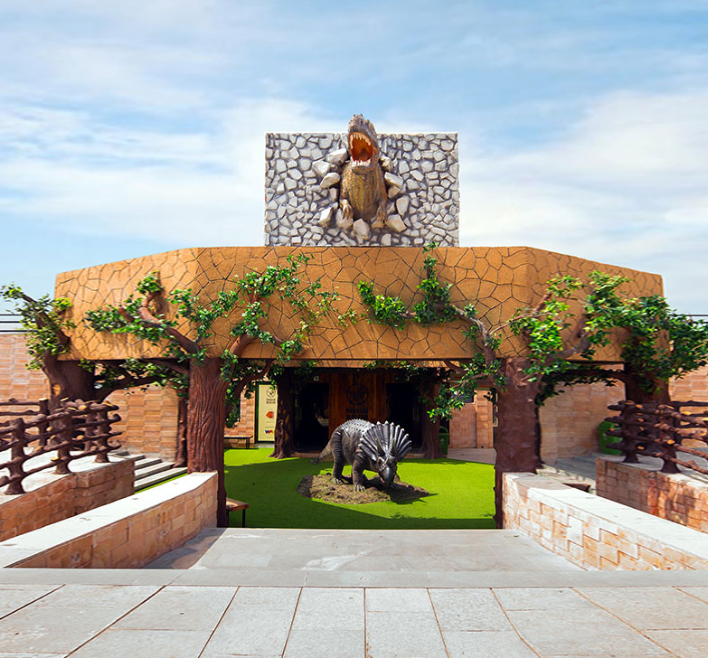
Best known for its dinosaur fossil park, Balasinor is where prehistoric finds meet princely nostalgia. The town’s curious mix of palaeontology and palace culture makes it a rare dot on both scientific and travel maps.
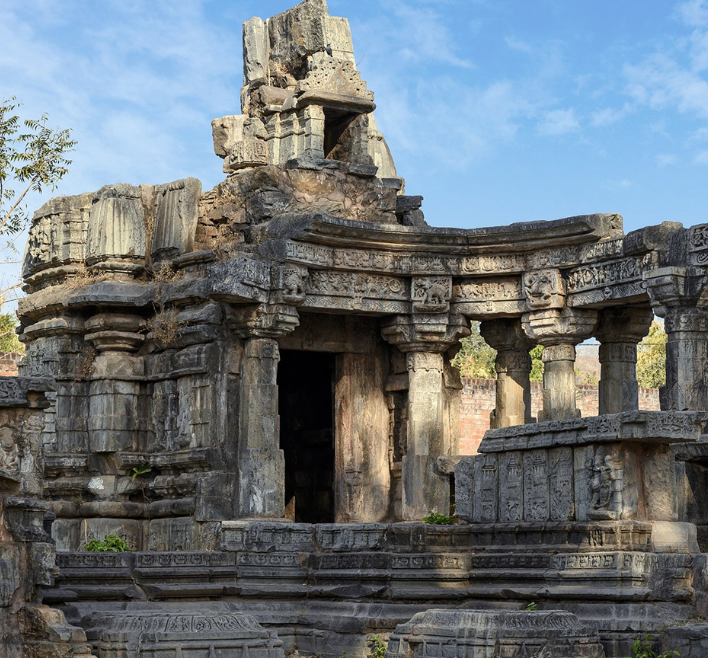
Santrampur rests among undulating hills and forested tracts, once ruled by a princely lineage. The region carries a quiet rural rhythm, where traditions are closely held and the pace of life invites you to slow down.
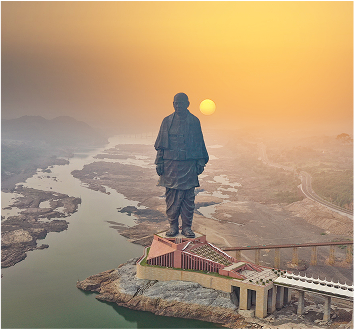
Home to the world’s tallest statue, the Statue of Unity, this riverside town combines striking modern symbolism with picturesque surroundings. Eco-tourism parks, tribal culture, and the nearby Satpura hills make it both a destination and a discovery.

Gujarat houses approximately 72.7 million people.

Covers 196,024 km², India’s sixth-largest state by area.

Hinduism, Islam, Jainism, Christianity, and Sikhism.